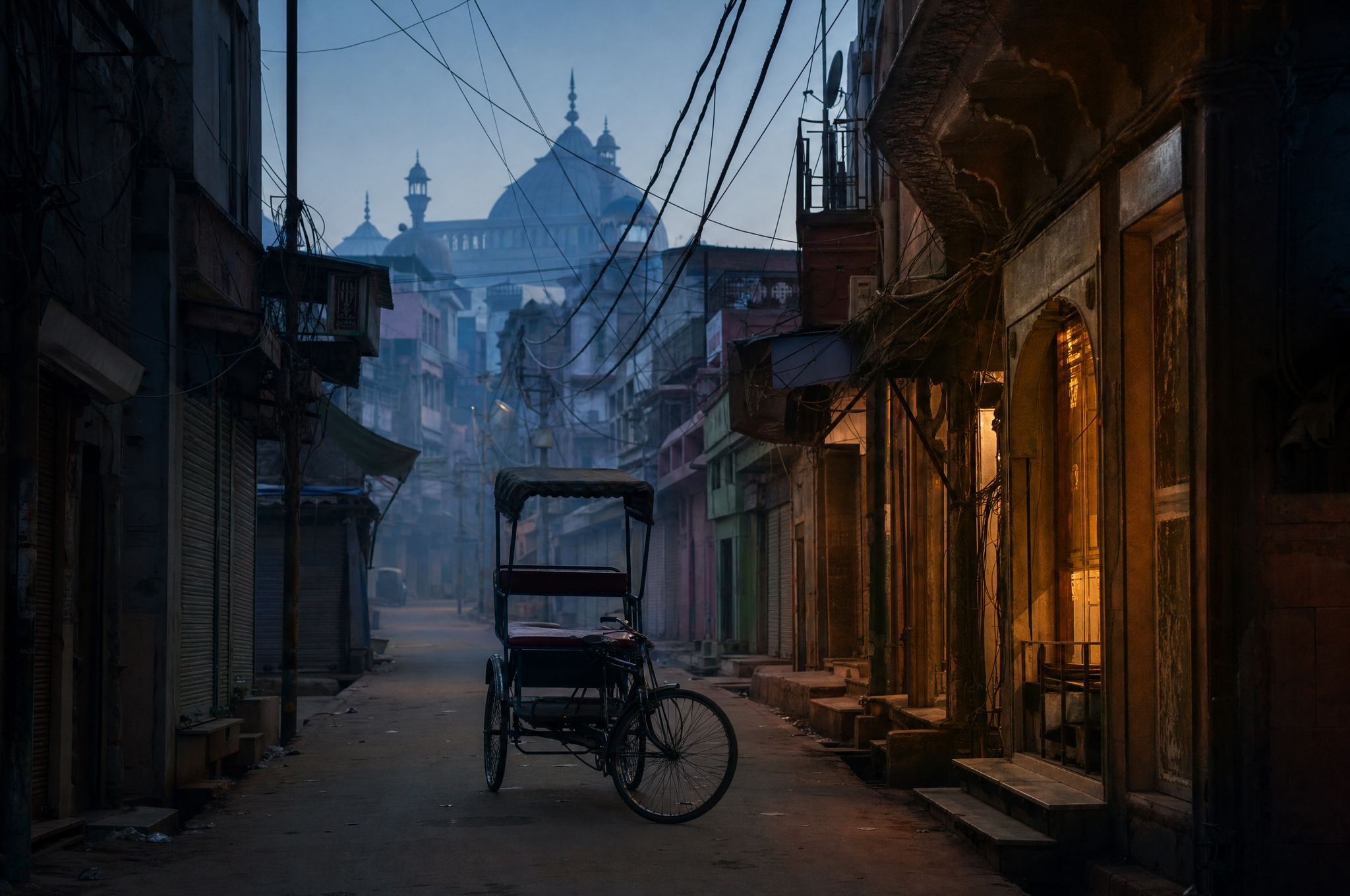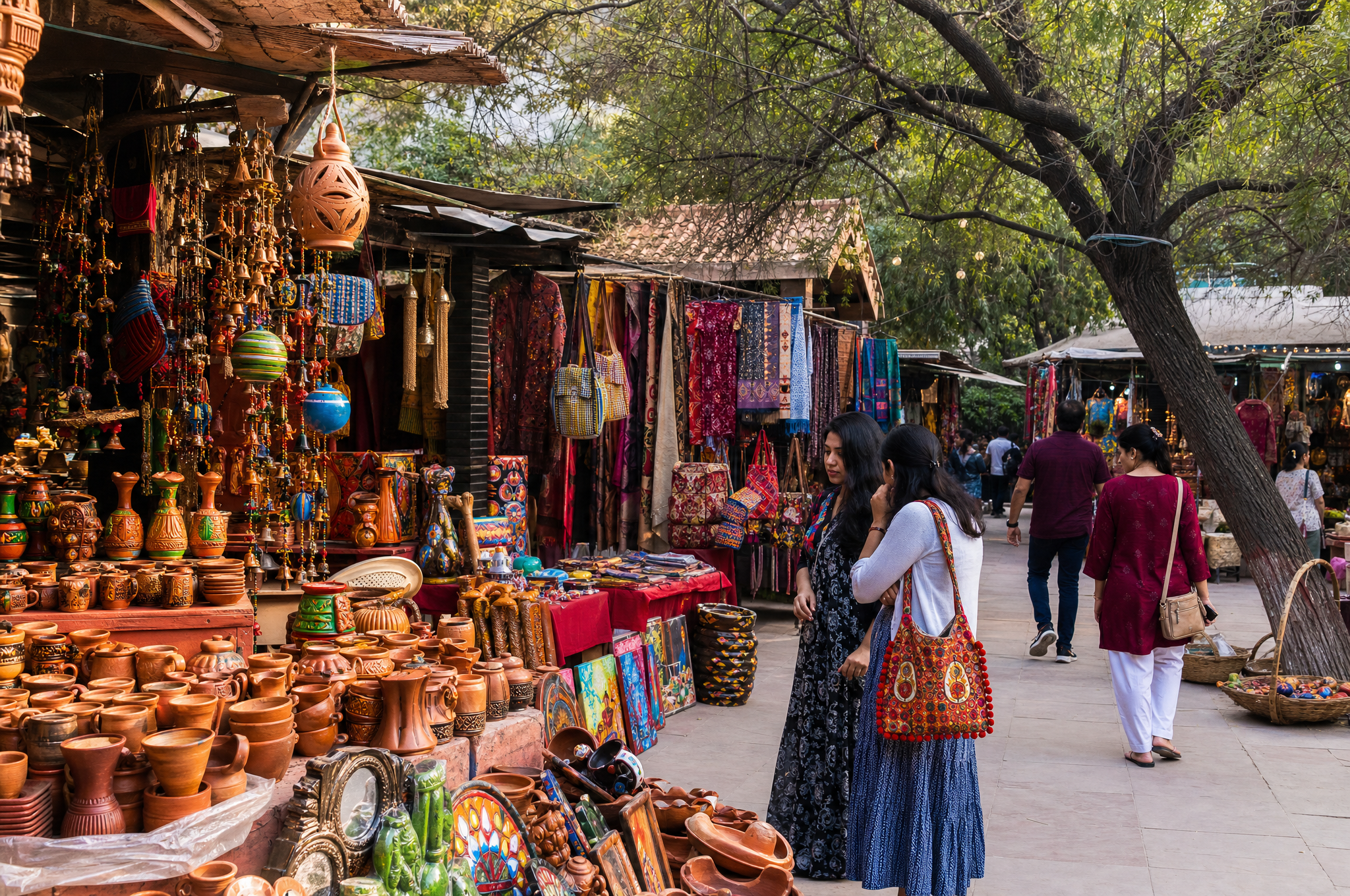
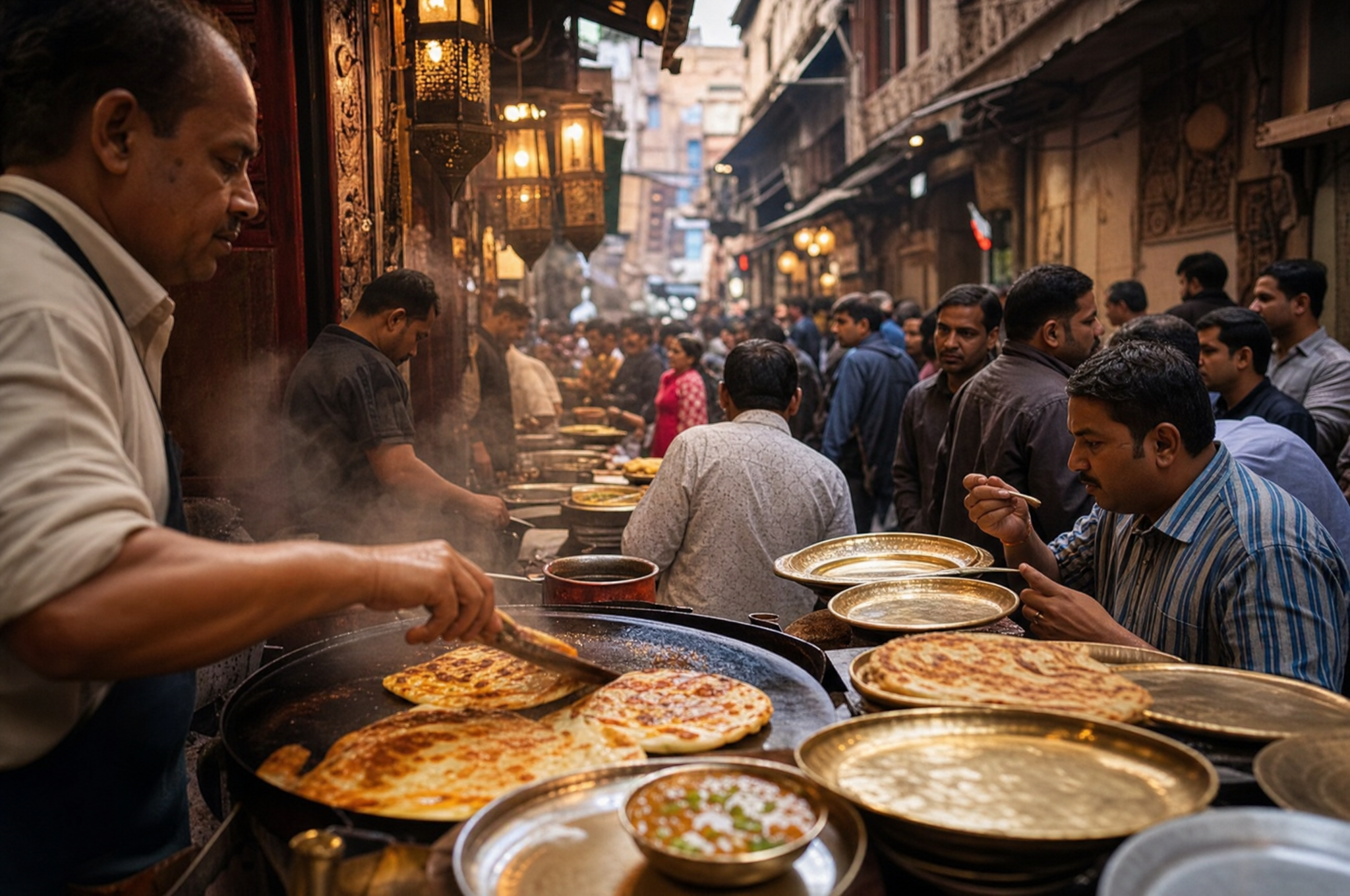
You will know you have arrived at Gali Paranthe Wali when the smell hits you — a warm, toasted, ghee-rich aroma that hangs in the narrow lane like weather. The street is short, maybe forty meters, and it contains, depending on how you count, between five and seven paratha shops, most of them run by branches of the same extended family. The tourists queue at the first shop. The regulars walk three doors down. Here is the difference.
The lane's history as a paratha destination dates to the 1870s, though some shops claim older provenance. It was, in the nineteenth century, a residential street in the heart of Chandni Chowk's merchant quarter, and the paratha shops began as home kitchens that opened their doors to customers. The Gaya Prasad Shiv Charan shop, founded in 1872, is the oldest surviving establishment and the one that gives the lane its identity. The family's original haveli still stands behind the shop, though it has been subdivided and partly converted.
What You're Actually Eating
Let's be clear about what a Gali Paranthe Wali paratha is, because the word "paratha" means different things in different parts of India. These are not the flaky, layered parathas of Punjab, nor the thick, griddle-cooked parathas of a south Indian breakfast. The parathas here are stuffed — the stuffing options number over thirty, ranging from the familiar (aloo, gobhi, paneer) to the surprising (banana, khurchan, rabri) — and they are shallow-fried in ghee on a large concave tawa. The cooking is fast: the dough is rolled thin, stuffed, sealed, rolled again, and slapped onto the hot surface, where it cooks in under two minutes per side.
The result is a paratha that is crisp on the outside, soft within, and saturated with enough ghee to make a cardiologist weep. It is served on a thali with three accompaniments: a tangy tamarind chutney, a pumpkin curry that is sweet-and-sour, and a bowl of mixed vegetable pickle. There is also a banana raita, which sounds odd but works — the sweetness balances the pickle's heat. The meal is filling and, by Old Delhi standards, inexpensive: three parathas with accompaniments will cost around 150 rupees.
The Shops, Ranked by What the Regulars Order
There are three shops that matter, and they are all related. The family split into branches over the generations, and each branch runs its own establishment. Here is the local intelligence:
1. Pt. Gaya Prasad Shiv Charan (est. 1872)
The oldest, and the one where the tourists stop. This is not a reason to skip it — the parathas are excellent — but it means you will wait. The shop has photographs of every Indian prime minister who has eaten here, which is most of them, and the walls are covered with framed newspaper clippings. Order the khurchan paratha (stuffed with reduced milk solids) and the paneer paratha. Skip the banana unless you're curious; it's more novelty than flavor.
2. Pt. Devi Prasad (est. 1911)
Two doors down, less crowded, and the shop where the neighborhood regulars eat. The parathas are cooked on the same type of tawa, with the same ghee, but the seasoning is slightly more restrained and the service is faster. Order the gobhi paratha — the cauliflower stuffing is more finely chopped here than at the other shops, and the texture is better for it. This is also the shop where you should try the papad paratha, a house specialty that no one else makes.
3. Pt. Kanhaiya Lal Durgaprasad (est. 1911)
The third shop in the family cluster, and the one with the most creative stuffing options. The rabri paratha — stuffed with thickened sweet milk — is a dessert disguised as bread, and it is genuinely good. The shop is quieter than the first two and has a small upstairs seating area that is worth claiming if it's open.
"Hum yahan 150 saal se roti seva kar rahe hain," the owner of Devi Prasad told me, watching his grandson roll dough. "We have been serving bread here for 150 years. The recipe doesn't change because the city doesn't change — not this part of it."
What to Order, and What to Skip
The menu at all three shops is identical in structure: choose your stuffing, choose your quantity (most people order two or three), and the thali arrives with the standard accompaniments. Here is the editorial recommendation:
- Order: Gobhi, paneer, khurchan. These three give you the full range — the savory, the creamy, and the sweet. The gobhi is the best test of a paratha cook; if the cauliflower is undercooked or watery, the shop is cutting corners.
- Try once: Papad paratha (at Devi Prasad only), rabri paratha (at Kanhaiya Lal). These are novelty items, but they're good novelties.
- Skip: The banana paratha. It exists for the story, not the flavor. The carrot paratha is also underwhelming — the carrot doesn't hold up to the ghee.
Do not ask for the parathas to be made less greasy. The ghee is the point. If you are concerned about richness, order fewer parathas and eat slowly. The accompaniments — especially the pumpkin curry and the chutney — are designed to cut through the fat, and they do their job well.
When to Go
The shops open at 9 AM and close at 11 PM, with a brief lull in the mid-afternoon. The best time to visit is mid-morning (10:30–11:30) on a weekday, when the tourist buses haven't arrived and the lunch rush hasn't begun. Avoid weekends entirely if you can; the lane becomes a bottleneck and the shops prioritize speed over care.
If you're planning a food tour of Old Delhi, pair the parathas with a dawn walk through Chandni Chowk and a breakfast of nihari at Karim's. The parathas make an excellent mid-morning second breakfast. And if you're new to Delhi's street food, read our guide to eating adventurously without getting sick first — the paratha shops are clean by Old Delhi standards, but the general principles apply.
A Note on the Lane Itself
Gali Paranthe Wali is one of the oldest continuously inhabited lanes in Shahjahanabad, and the buildings above the shops — some of them three centuries old — are worth looking up at. The carved wooden brackets, the jharokhas, the remnants of Mughal-era plasterwork: this is what Old Delhi looked like before the traffic and the signboards took over. The parathas are the reason you come, but the lane is the reason you stay.