For most of the year, the Mughal Gardens at Rashtrapati Bhavan are invisible — hidden behind the high walls of the 330-acre presidential estate, accessible only to the President's guests and the gardeners who maintain them. But for a few weeks each February and March, the gates open to the public, and Delhi residents queue — sometimes for hours — to walk through what may be the most beautiful formal garden in India. If you time your visit right, it is one of the great horticultural experiences of the capital.
The gardens are the work of Edwin Lutyens, the British architect who designed Rashtrapati Bhavan (originally the Viceroy's House) between 1912 and 1929. Lutyens was not, by training, a garden designer, but he had strong opinions about landscape and a collaborator in his friend Gertrude Jekyll, the influential English garden designer. The Mughal Gardens were conceived as a formal garden in the Persian-Mughal charbagh tradition — a four-quadrant layout divided by water channels and paths — but planted with English garden flowers, particularly roses. The result is a hybrid: Mughal geometry with English abundance, and it works better than it has any right to.
The Layout
The gardens cover approximately 15 acres and are arranged in three terraces, descending from the rear facade of Rashtrapati Bhavan. The design follows the classic charbagh pattern: two intersecting water channels divide the garden into four quadrants, with fountains at the intersections. The channels are narrow and rectilinear, lined with red sandstone, and they create the optical illusion of infinite extension that is characteristic of Persian garden design.
Within this framework, Lutyens created several distinct garden areas:
The Rectangular Garden
The main formal garden, directly behind the mansion. This is where the famous rose collection lives — over 120 varieties, including hybrid teas, floribundas, and several Indian-bred cultivars. The roses are planted in geometric beds, edged with dwarf boxwood, and they are at their peak in mid-February. The central fountains — there are six in this section alone — are operational during public visiting hours and provide a welcome soundscape.
The Long Garden (Purdha Garden)
A narrow garden running along the southern edge of the estate, enclosed by high walls. This section is planted with a different palette — fragrant flowers including jasmine, raat ki rani (night-blooming jasmine), and champaka — and it was originally designed as a private walking garden for the Viceroy's family. The walls are covered in bougainvillea, which flowers spectacularly in March.
The Circular Garden (Sunken Garden)
The lowest terrace, a circular sunken garden planted with annuals that change each season. In February, it is typically filled with massed plantings of salvias, snapdragons, and calendulas in color-coordinated blocks. The effect is, frankly, more municipal-park than Mughal-palace, but the scale is impressive and the color combinations are carefully considered.
Lutyens reportedly disliked the term "Mughal Gardens" — he felt the design was not a pastiche but an original interpretation. But the name stuck, and it is under this name that the gardens are known to the public.
The Udyanotsav: When and How to Visit
The public opening of the gardens — called Udyanotsav, or "garden festival" — typically runs from early February to mid-March, timed to coincide with the peak of the rose bloom. The exact dates vary each year depending on the weather; in warmer years, the bloom is earlier and the opening may begin in late January. The dates are announced in January on the official Rashtrapati Bhavan website, and entry is free, though registration is required.
Here is what you need to know about visiting:
- Registration: Book online through the Rashtrapati Bhavan website. Slots are released in advance and fill quickly, especially for weekends. You will need to provide identification details (Aadhaar or passport number for Indian citizens; passport for foreigners).
- Timing: The gardens are open from 10 AM to 5 PM. Arrive early — the queues build by 11 AM, and the light is best before noon.
- Security: Expect airport-style screening. No bags, no food, no water bottles. Carry only your phone, wallet, and identification. There is a cloakroom near the gate for belongings.
- Photography: Allowed and encouraged. Tripods are not permitted. The light on the roses is best in the mid-morning; the fountains photograph well against the sandstone backdrop of the mansion.
- Footwear: Comfortable walking shoes. The garden paths are paved but extensive — you will walk at least a kilometer.
What to Look For
Beyond the roses — which are, admittedly, the main attraction — there are several features worth seeking out:
The Spiritual Garden: Added in recent years, this section contains plants mentioned in religious texts — the Bodhi tree (Buddhism), the bel tree (Hinduism), the olive (Islam, Christianity), and others. It is a small but thoughtful addition that reflects the garden's evolution from an imperial pleasure garden to a public space.
The Musical Fountain: In the Circular Garden, a musical fountain show runs at intervals during public visiting hours. It is not subtle — the music is loud and the water choreography is enthusiastic — but children love it, and it provides a resting point if you've been walking for an hour.
The Bonsai Collection: A small but high-quality collection of bonsai trees, displayed in a dedicated enclosure near the Long Garden. The specimens range from 30 to 80 years old, and several are classified as "masterpiece" grade by the Bonsai Society of India.
The Herbal Garden: A section dedicated to medicinal plants used in Ayurveda, Unani, and Siddha medicine. Labels identify each plant and its traditional uses, making this one of the more educational sections of the gardens.
The Gardens in Context
The Mughal Gardens at Rashtrapati Bhavan are often compared to the gardens at Humayun's Tomb and the Taj Mahal, but the comparison is misleading. The Mughal Gardens are a twentieth-century interpretation of a centuries-old tradition, designed for a colonial administration that wanted to claim continuity with India's imperial past. The result is beautiful — genuinely, unironically beautiful — but it is also a political statement, and it is worth understanding it as such.
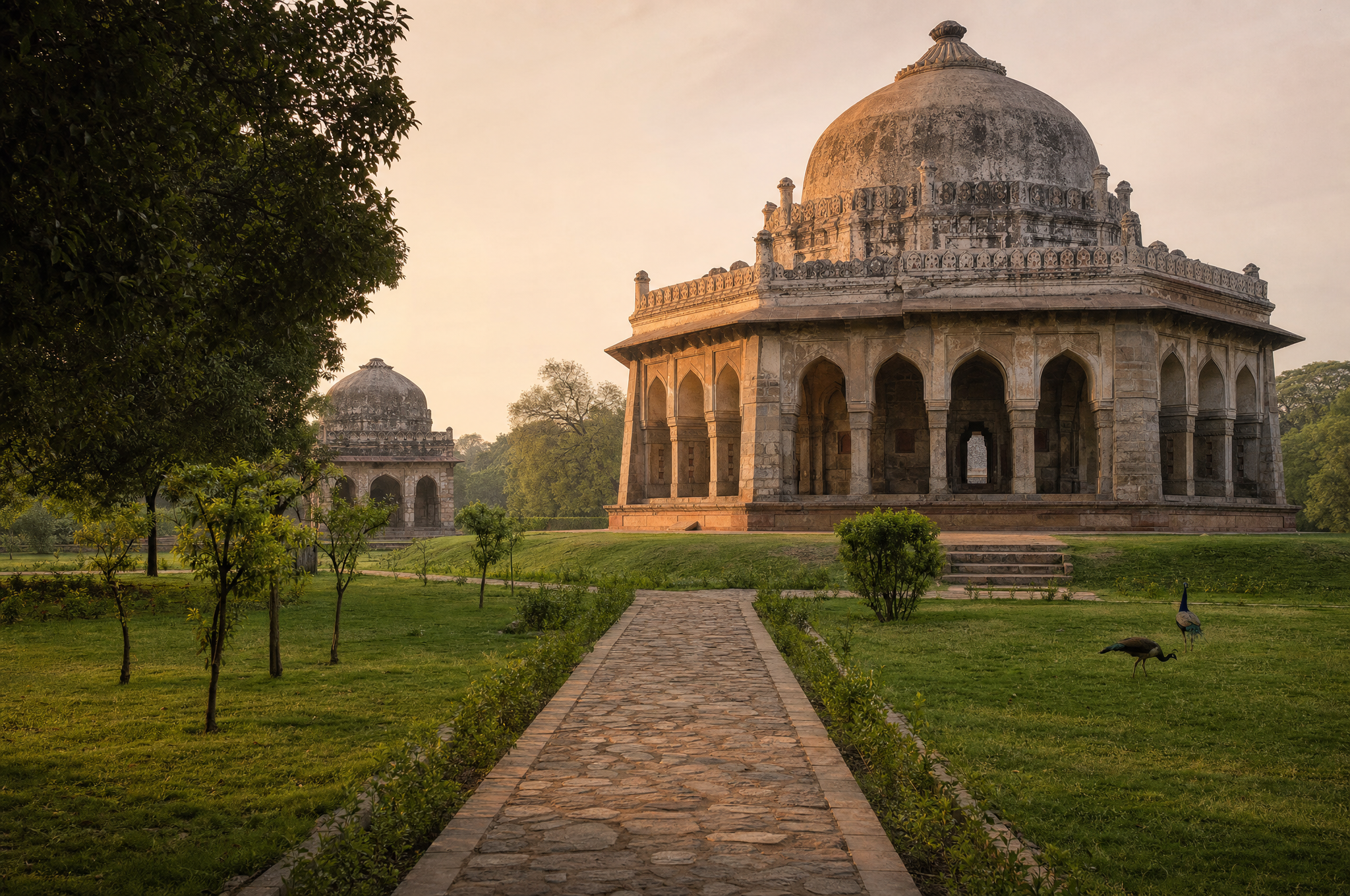
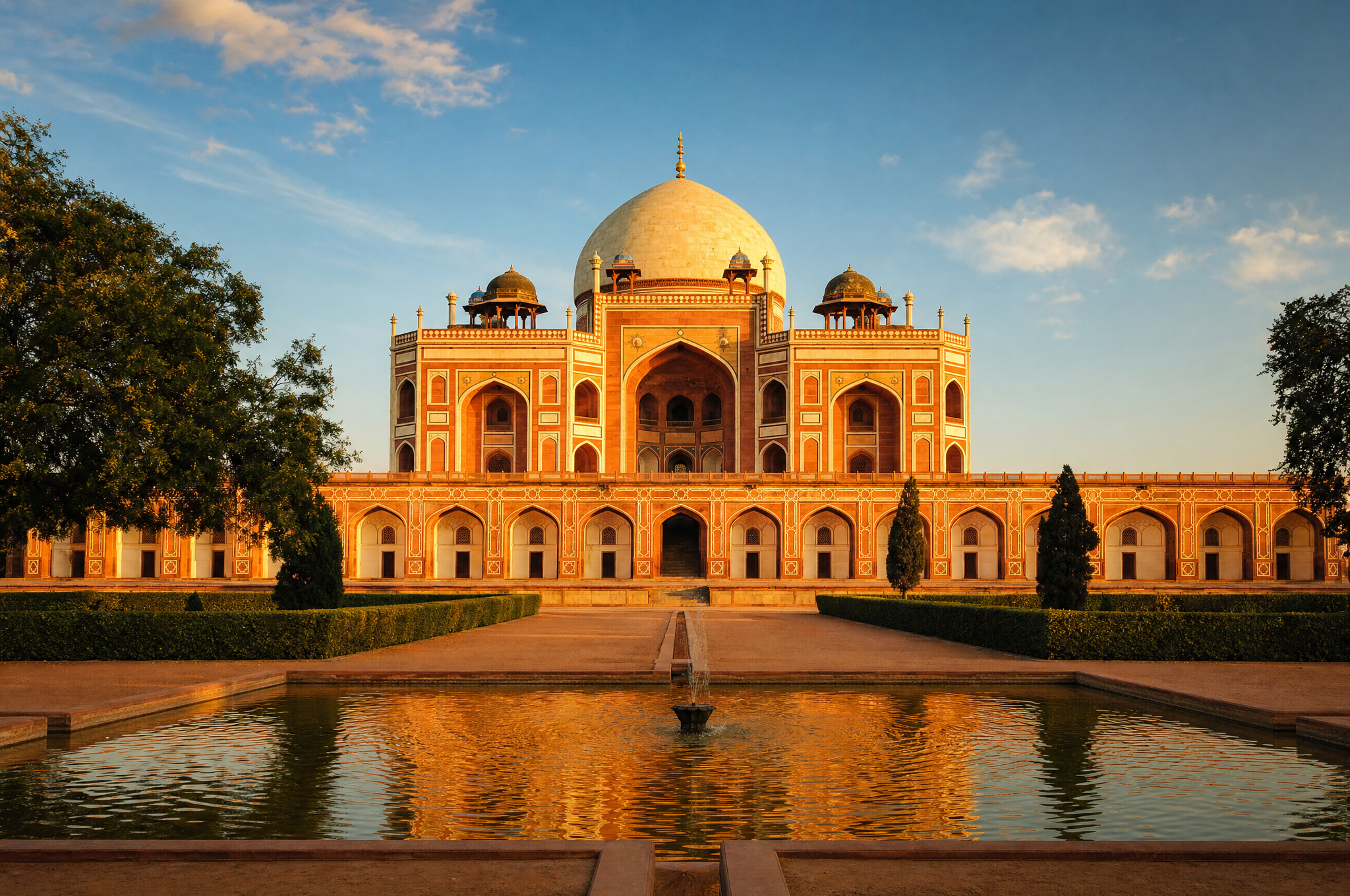
For a more authentic Mughal garden experience, visit Humayun's Tomb, where the original charbagh layout has been restored by the Aga Khan Trust for Culture, or the Lodhi Gardens, where the garden setting is less formal but the monuments are more ancient. The Mughal Gardens at Rashtrapati Bhavan are best appreciated as a unique hybrid — a colonial-era garden that succeeded in being both Indian and English, and that continues to delight nearly a century after it was planted.